Clients often ask me, “Can I do keto but with more carbs?” - which always makes me smile. What they’re really asking for is a low-carb diet! And the good news is, that’s a fantastic place to start. Low-carb eating is less of a shock to your system, easing you into healthier habits without the overwhelm.
Another concern I frequently hear is that keto feels way too restrictive. But here’s the thing: the restrictive feeling often comes from giving up ultra-processed junk foods, which - spoiler alert - are specifically designed to be addictive. I promise you, once you stop eating these foods, your cravings will decrease dramatically.
Let’s break it down with a simple and flexible 5-step formula to help gently guide you toward a healthier, low-carb lifestyle.
Step 1: Understand Low-Carb vs. Keto
The main difference between low-carb and keto comes down to carbohydrate intake:
- Keto Diet: Typically fewer than 30 grams of total carbs per day, prompting your body to produce ketones and burn fat as fuel.
- Low-Carb Diet: Generally fewer than 125 grams of total carbs per day, allowing more flexibility and variety, especially with foods like fruits, vegetables, nuts, and seeds.
If you have significant metabolic health issues you’re looking to reverse, keto might be a better option. But if keto feels too restrictive right now, starting with low-carb is a fantastic choice. Many people find it easier to gradually reduce carbs further after they’ve comfortably adjusted to a low-carb lifestyle.
Step 2: Cut Out Ultra-Processed Foods First
Regardless of which diet approach you prefer, eliminating ultra-processed foods is essential for better health all around. These foods - like sugary snacks, chips, cereals, soda, and fast foods - contribute significantly to weight gain and poor health.
Simply cutting these foods out naturally lowers your carb intake, improving your health and significantly reducing cravings.
Step 3: Choose Better Carbs, Not Just Fewer Carbs
With carbs, quality matters as much as quantity. Focus on plant foods with a high fiber-to-carb ratio:
- Best Choices: Non-starchy vegetables (broccoli, asparagus, cauliflower), lower-carb fruits (berries, avocado), nuts, and seeds.
Pair these with healthy proteins like meat, poultry, fish, and eggs for balanced, satisfying meals.
Step 4: Balance Your Meals for Sustained Energy
Meals combining protein, healthy fats, and fiber-rich carbs stabilize blood sugar, keeping hunger at bay and reducing cravings. A balanced, low-carb day might look like:
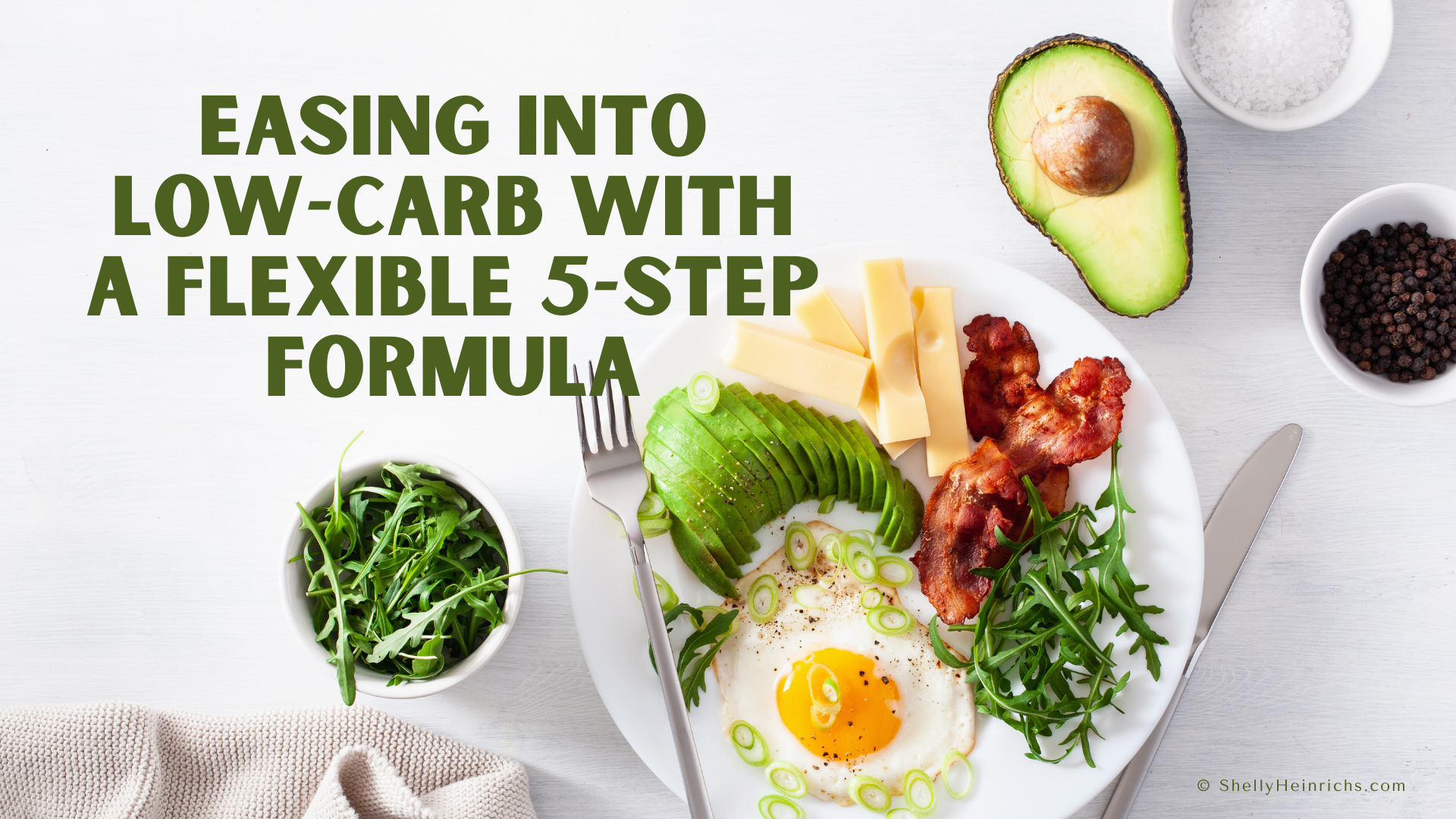
- Breakfast: Eggs paired with avocado slices.
- Lunch: A big, colourful salad loaded with leafy greens, berries, nuts, and protein.
- Dinner: Grilled protein with roasted broccoli or asparagus.
This balanced approach keeps your energy steady and supports fat loss without feeling deprived.
Step 5: Use Additional Tools for Enhanced Results (Optional!)
Once you’re comfortable with low-carb, you might want to consider some additional tools in your toolbox - like intermittent fasting or exercise. These tools help deplete glucose and encourage your body to naturally produce ketones and burn fat. We all need to build and maintain muscle as we age.
Low-Carb: Just Start
Don’t overthink it - just start. You already know the processed foods you’re eating aren’t helping you, so begin there. Swap out packaged, processed foods for single-ingredient, whole foods. Add more protein if you realize you’re not eating enough. Make gradual changes in stages to build a lifestyle, not just another temporary diet with an expiration date.
You’ve got this. Take the first small step, and the results will follow.
Want help putting this into practice?
Send me a message and I'll reply within 48 hours.