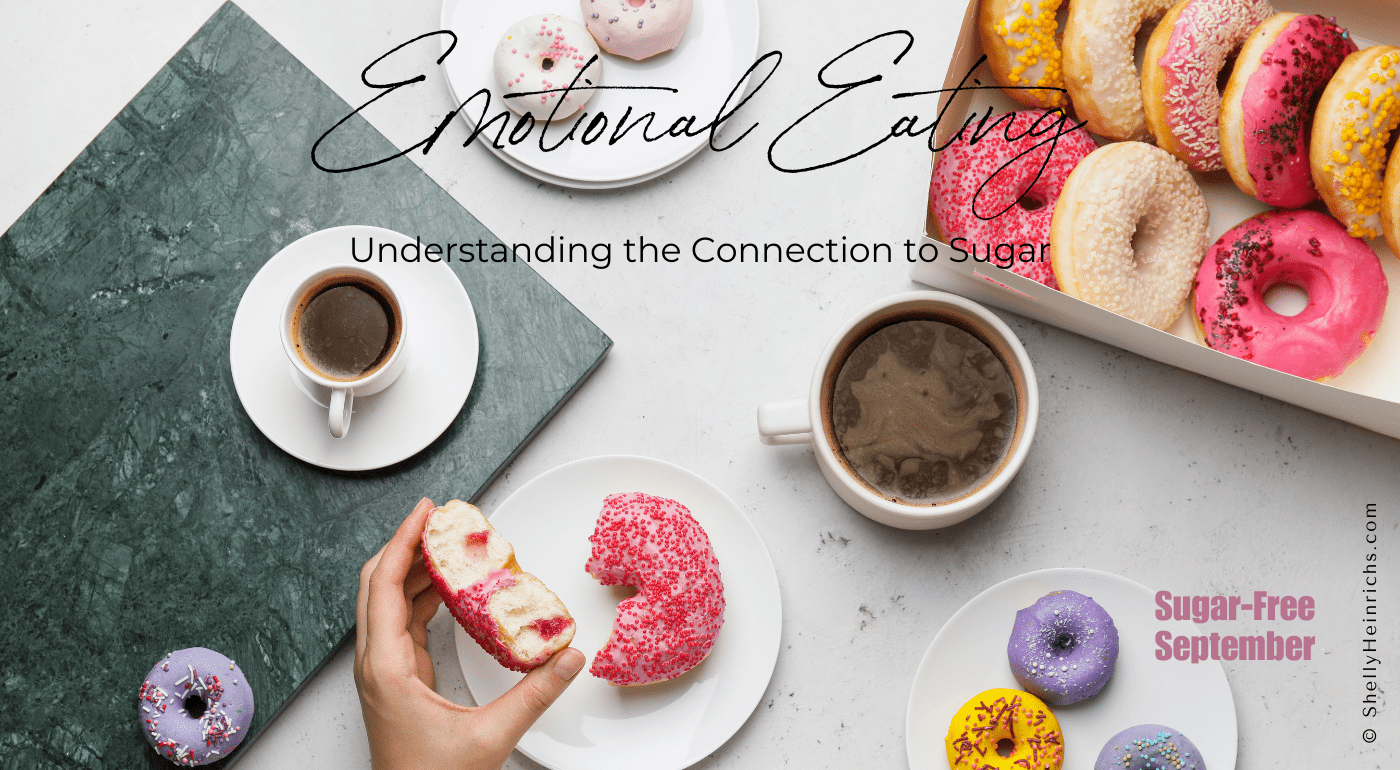
Emotional eating is a familiar concept to many. It’s the urge to reach for a comforting snack in response to emotions. These emotions can be stress, sadness, boredom, or even happiness. The comfort of a sugary treat seems like a harmless solution, but it starts a cycle. This cycle leads towards sugar addiction and a host of related metabolic health issues.
In this blog post, we’ll look at the relationship between emotional eating and sugar addiction. We’ll get into the reasons behind emotional eating and understand how it drives sugar addiction. Then, we’ll look at some strategies to break free from this cycle and build a healthier relationship with food and emotions.
Understanding Emotional Eating
Emotional eating isn’t just about satisfying physical hunger. It’s a behaviour driven by emotional triggers. When we experience intense emotions, our brains often seek comfort and distraction. Food, especially a sugary options, becomes an easy escape route from emotional turmoil.
It’s important to recognize these patterns of emotional eating. Have you ever found yourself rummaging through the pantry after a stressful day at work? Perhaps you’ve experienced the urge to indulge in sugary treats when feeling lonely or sad. These are common signs of emotional eating, a way to soothe emotional distress with food. You may not even be aware you are doing this.
The Sugar Addiction Connection
Emotional eating and sugar addiction are closely intertwined. Sugary foods provide a rapid hit of dopamine, a neurotransmitter associated with pleasure and reward. When we consume sugary treats while we are in emotional distress, it temporarily lifts our mood, offering a brief break from the emotional turmoil.
However, this connection between sugar and mood becomes a double-edged sword. Over time, the brain becomes conditioned to seek out sugar as a means of comfort. This will lead to increased tolerance, where you need more sugar to achieve the same pleasurable effect. As a result, emotional eating becomes a gateway to sugar addiction, a cycle that can be challenging to break.
Strategies to Break Free from Emotional Eating
Breaking free from emotional eating and sugar addiction will require work in a few different areas:
Mindful Awareness: The first step is to become mindful of your emotional eating patterns. Keep a journal to track when and why you turn to food for comfort. By writing out what, when and why, you’ll be able to see where you need to makes changes.
Coping Mechanisms: Instead of turning to sugary treats, explore alternative ways to handle your emotions. Engage in physical activity, practice relaxation techniques like deep breathing or meditation. Seeking emotional support from friends or a therapist will also provide healthy outlets. Check out last week’s blog with tips HERE
Balanced Nutrition: Make sure your daily diet is well-balanced with nutritious whole foods. Also ensure that you are eating enough food for your body. Regular meals and snacks that include a variety of fruits, vegetables, proteins, and healthy fats will stabilize blood sugar levels, leading to dramatically reduced cravings.
Mindful Eating: Practice mindful eating by paying close attention to your food. As you eat, savour each bite, listening to your body’s hunger and fullness cues. Wolfing down your food often leads you to eating more than you need. This will help you break the habit of mindlessly consuming sugary foods.
Seek Professional Help: If emotional eating and sugar addiction are deeply ingrained, consider getting help from a certified sugar addiction expert. They can provide personalized strategies and support tailored to your unique needs.
Wrapping Up
Breaking free from emotional eating and sugar addiction can be a long journey that requires self-awareness, patience, and determination. By understanding your triggers behind emotional eating and sugar addiction, you will create better strategies to nurture healthier coping mechanisms. You can then start to get control over your relationship with food and emotions.
Remember, this process can take time. Sometimes we fall back into old habits. The important part is becoming aware and then, start again one meal at a time.
Want help putting this into practice?
Send me a message and I'll reply within 48 hours.