Hormones vs. Calorie Counting
Have you ever meticulously counted every calorie, only to find the scale stubbornly refusing to budge? You’re not alone. I’ve been there too, obsessively logging every morsel and feeling frustrated when the results didn’t match my efforts. But here’s the thing: there’s so much more to weight loss than simply “calories in, calories out.” Let’s look at why calorie counting often fails and what you can do instead.
The Calorie Counting Myth
For years, we’ve been told that weight loss is a simple equation: burn more calories than you consume. It sounds logical, doesn’t it? But if it were that simple, why do so many of us struggle to lose weight and keep it off? The truth is, our bodies are complex systems, not simple math equations. While calorie balance does play a role in weight management, it’s far from the whole story.
How Hormones Impact Weight Loss
- Insulin: This key hormone regulates blood sugar and energy storage. While it responds to all macronutrients, carbohydrates typically cause the largest increase. Chronically elevated insulin levels can promote fat storage and inhibit fat burning, making weight loss more challenging.
- Cortisol: Known as the “stress hormone,” cortisol can significantly impact weight. It increases appetite, particularly for high-calorie comfort foods, and can promote abdominal fat storage. Chronic stress and elevated cortisol levels can sabotage weight loss efforts.
- Thyroid hormones: These regulate our metabolism and influence how quickly we burn calories. An under active thyroid can slow metabolism, making weight loss more difficult. Conversely, an overactive thyroid can lead to unintentional weight loss.
- Leptin and ghrelin: Often called the “hunger hormones,” these regulate appetite and satiety. Leptin signals fullness, while ghrelin stimulates hunger. After periods of strict dieting, these hormones can become imbalanced, leading to increased hunger and reduced feelings of fullness.
Metabolic Adaptation: Why Weight Loss Plateaus
Have you ever noticed that weight loss becomes harder the longer you diet? That’s because our bodies are smart. When we consistently eat less, our metabolism slows down to conserve energy. This is called metabolic adaptation. Our bodies also have a “set point” weight that they try to maintain. When we lose weight, our bodies fight to return to this set point, making sustained weight loss challenging.
The Problem with Extreme Calorie Restriction
Very low-calorie diets might lead to quick initial weight loss, but they often backfire. These diets can:
- Slow down your metabolism
- Lead to loss of muscle mass (which further reduces metabolic rate)
- Trigger intense hunger and cravings
- Cause nutrient deficiencies
Beyond Calories: Quality Matters
Not all calories are created equal. 100 calories of beef will affect your body very differently than 100 calories of cookies. Nutrient-dense whole foods provide the building blocks your body needs to function optimally and can help balance your hormones.
Sustainable Approaches to Weight Management
So, if calorie counting isn’t the answer, what is? Here are some strategies I’ve found effective both personally and with my clients:
- Focus on balancing hormones through diet and lifestyle changes.
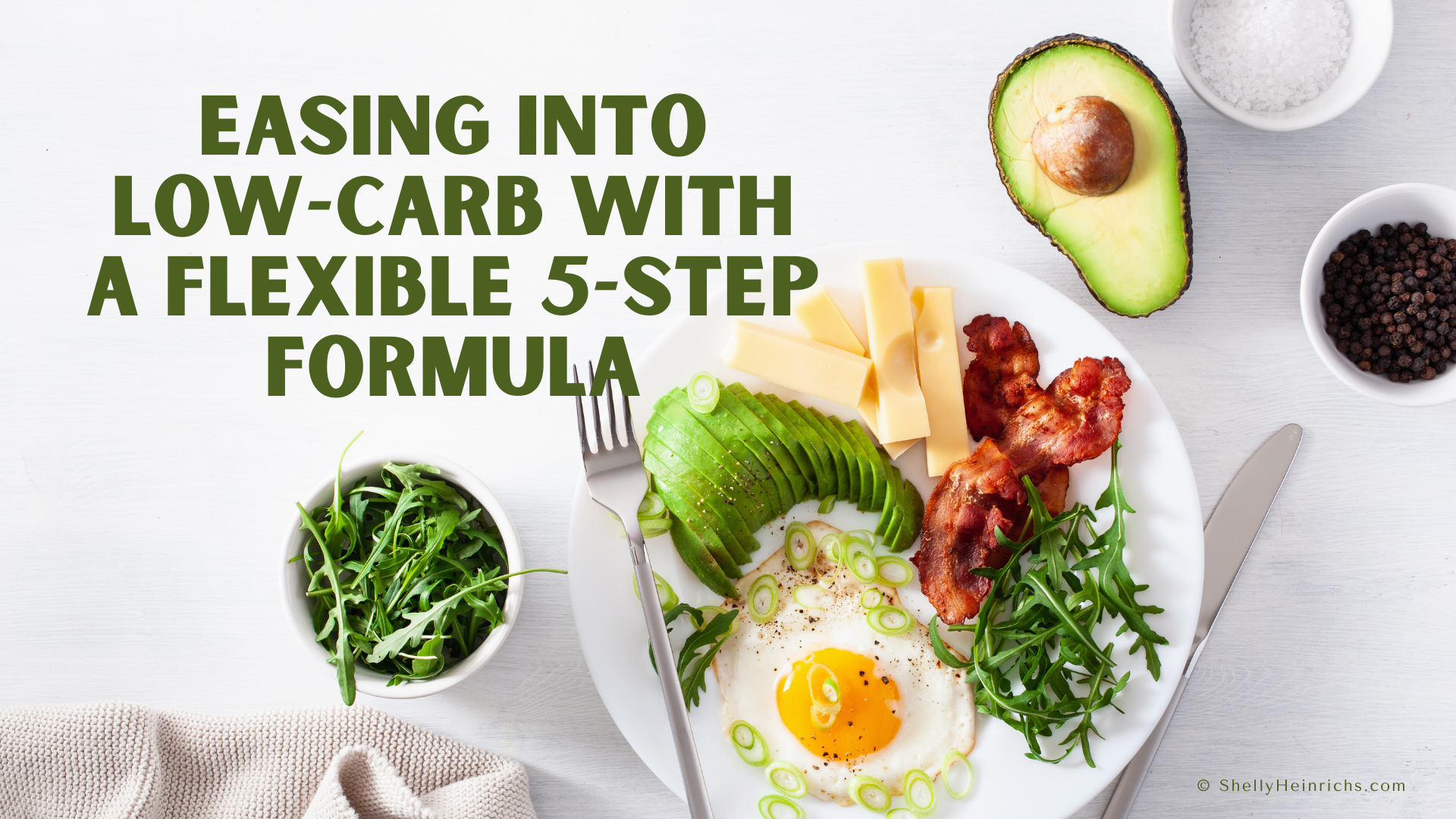
- Consider a whole foods, low-carb or ketogenic approach. These diets can help control insulin levels and reduce hunger.
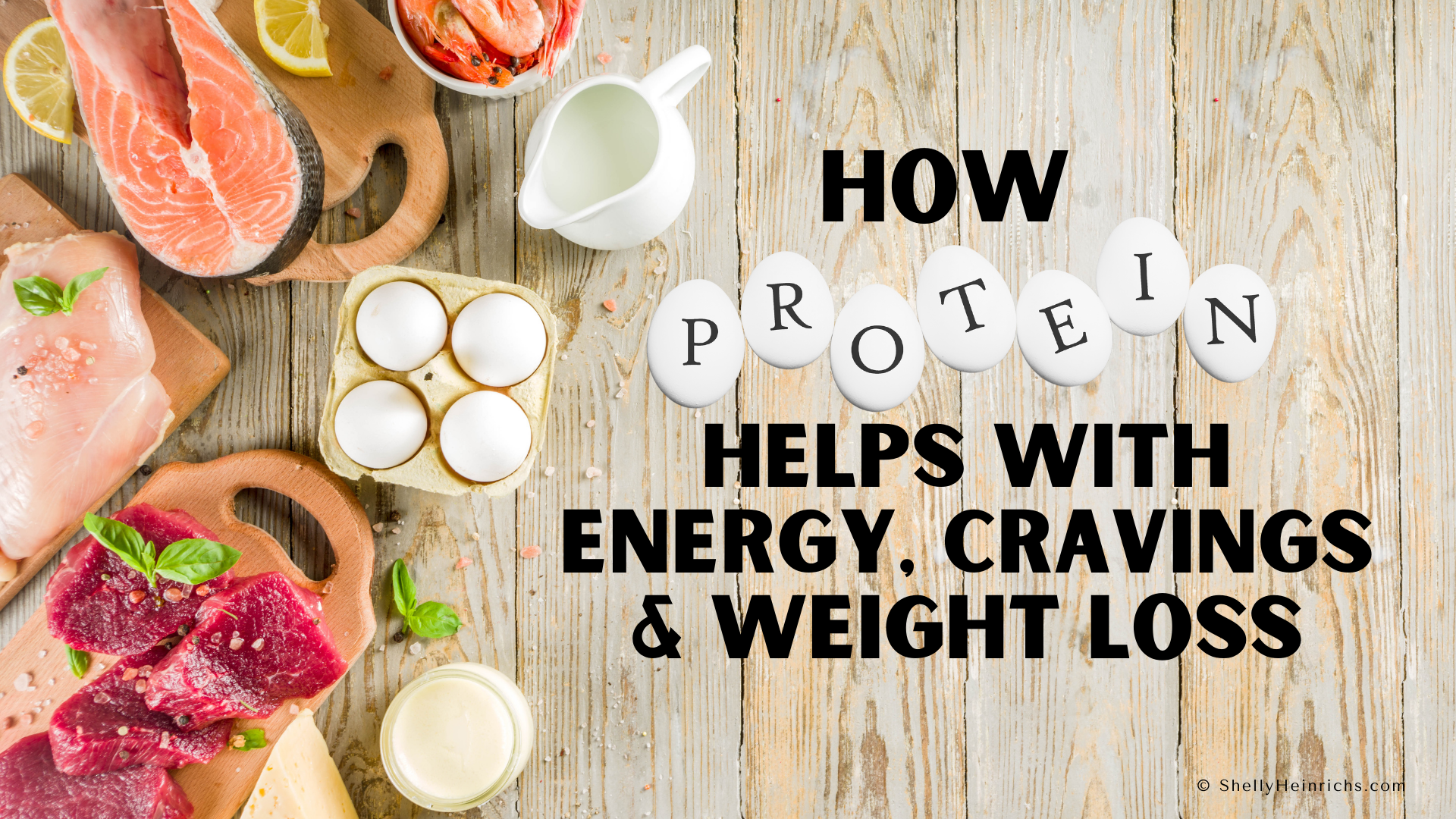
- Prioritize protein and healthy fats. They’re satiating and protein help support muscle mass.
- Experiment with intermittent fasting. It can help improve insulin sensitivity and reduce overall calorie intake naturally.
Listening to Your Body
One of the most valuable skills you can develop is tuning into your body’s hunger and fullness cues. Mindful eating, paying attention to how foods make you feel, can guide you towards choices that truly nourish your body.
The Bottom Line
While calorie counting can be a useful tool for some, it’s often not enough on its own for sustainable weight loss. By understanding the role of hormones and metabolism, and focusing on overall health rather than just numbers, you can create lasting changes. Remember, the goal isn’t just to lose weight, but to get healthy. When you nourish your body with whole foods that work for you, sustainable weight loss often follows naturally. It’s time to stop fighting your body and start working with it. You’ve got this!
Want help putting this into practice?
Send me a message and I'll reply within 48 hours.