Type 2 Diabetes and Carbohydrate Management
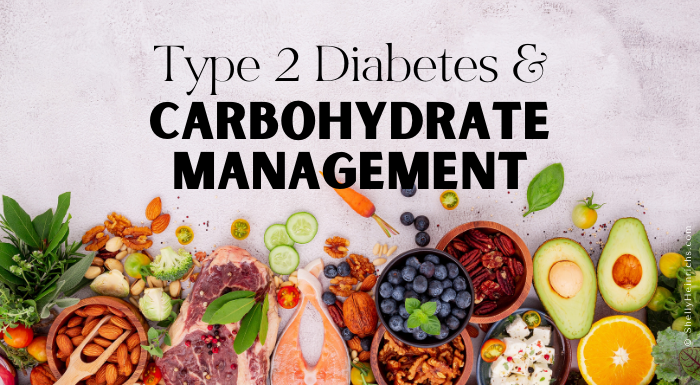
Type 2 Diabetes and Carbohydrate Management
I want to deepen your understanding of type 2 diabetes, a condition that affects millions globally. So today, we’re looking at carbohydrates, non-essential components of our diet that play a significant role in the development and management (and reversal) of pre diabetes and type 2 diabetes.
What Are Carbohydrates?
Carbohydrates are one of the sources of energy for our bodies, found in almost everything from bread and pasta to fruits and vegetables. When we consume carbohydrates, our body breaks them down into simpler forms of sugar, mainly glucose, which our cells use for energy. This process begins in the mouth where enzymes start to digest the carbs as soon as we begin chewing. As the food travels through the digestive system, it’s further broken down in the stomach and intestines, until the sugars are simple enough to be absorbed into the bloodstream. This process sets the stage for how our bodies manage these sugars, which is especially important for individuals managing type 2 diabetes.
Whole Food Carbohydrates & Type 2 Diabetes
When choosing carbohydrates to manage blood sugar, it’s important to opt for whole food sources. Whole foods are minimally processed and contain more natural nutrients. Examples of nutrient-dense, whole food carbohydrates include:
- Leafy Greens: Foods like salad greens spinach and kale are low in carbs but high in fiber and essential vitamins.
- Low Carb Veggies: Cauliflower, broccoli, Brussels sprouts, cabbage, asparagus, etc.
- Berries: Strawberries, blueberries, and raspberries offer a sweet treat but have a lower glycemic impact than other fruits, making them an excellent choice for a low-carb diet. I suggest only ¼ cup at a time.
- Nuts and Seeds: Almonds, chia seeds, and flaxseeds are good sources of healthy fats, and fiber, helping to stabilize blood sugar levels. Again, you shouldn’t over consume these.
- Legumes: Legumes like beans and lentils, although higher in carbs, can be included in small amounts depending on your individual carbohydrate tolerance. They contain fiber which can slow glucose absorption and improve blood sugar management. These are more suitable for a low carb diet versus a ketogenic diet.
The Role of the Liver and Insulin in Sugar Management
Once in the bloodstream, these sugars make their way to the liver, the central hub for sugar management. The liver decides whether to store the sugar for later or send it back into the bloodstream based on the body’s needs. This decision-making process is heavily influenced by insulin, a hormone produced by the pancreas. Insulin helps cells throughout the body absorb glucose, lowering blood sugar levels and supplying the cells with the energy they need to function. However, when the body doesn’t use insulin effectively, a condition known as insulin resistance, blood sugar levels can rise, leading to pre diabetes or type 2 diabetes.
Impact of Fiber on Blood Sugar Control with Type 2 Diabetes
Dietary fiber plays an important role in managing blood sugar levels as well as gut health. Found in whole plant foods, fiber is a type of carbohydrate that the body cannot digest. This indigestibility means fiber does not raise blood glucose levels and helps control spikes in sugar after eating. There are two types of fiber:
- Soluble Fiber: This type of fiber dissolves in water to form a gel-like substance in the gut. It helps slow down the rate of digestion, which smooths out blood sugar levels and can improve insulin sensitivity. Good sources of soluble fiber within a ketogenic diet include avocados, flaxseeds, and chia seeds.
- Insoluble Fiber: This fiber does not dissolve in water and helps add bulk to the stool and pass it more quickly through the digestive system. This can help regulate blood sugar levels indirectly by improving overall digestive health. Low-carb vegetables like broccoli and leafy greens, and nuts like almonds are rich in insoluble fiber.
Increasing your intake of these fiber-rich, ketogenic-friendly foods can have significant benefits for blood sugar control and overall metabolic health. They can reduce the glycemic impact of meals, help you feel fuller for longer, and decrease the risk of developing type 2 diabetes. Remember to increase fiber intake gradually and drink plenty of water to help manage these dietary changes without discomfort.
Misconceptions About Carbohydrates
One of the biggest misconceptions about managing diabetes is the classification of carbohydrates into “good” and “bad” categories. It’s essential to understand that from the perspective of blood sugar management, our bodies process carbohydrates from broccoli similarly to those from a donut. This is why focusing on the type of carbohydrate can be misleading. For someone with type 2 diabetes or at risk of developing it, the total quantity of carbohydrates ingested is far more critical than the source. This realization can change how we think about diet and diabetes management, moving away from simply categorizing foods as healthy or unhealthy based on their carbohydrate type. A caveat I want to add is that if you choose the carbs in a donut versus carbs in vegetables, your body isn’t going to be getting the nutrients it needs. Those nutrients are not found in highly processed foods like cookies and donuts. The key difference lies in the nutrient density.
Whole foods like vegetables provide essential nutrients and fiber, which aid in blood sugar management, unlike processed foods which offer little nutritional value and can spike blood sugar.
Carbohydrates and Type 2 Diabetes Risk
Eating large amounts of carbohydrates can overload the body with sugar. If this sugar isn’t managed effectively due to insulin resistance or other factors, it can lead to increased fat production, fatty liver disease, and eventually chronic conditions like type 2 diabetes. Understanding how carbohydrates affect the body can help individuals make informed decisions about their diets, reducing the risk of developing diabetes or helping manage the condition more effectively by monitoring carbohydrate intake.
Empowering Choices Through Knowledge
It’s important to understand how type 2 diabetes affect the body, and the crucial role of diet in managing and reversing this condition. My goal is to provide you with the knowledge necessary to make empowered decisions about your health. This includes debunking myths and offering clear, actionable information on how dietary choices, particularly regarding whole food carbohydrate consumption, can influence your well-being. Whether you’re looking to prevent diabetes or manage or reverse an existing condition, understanding the impact of carbohydrates is a powerful tool in your health arsenal.
Ready to Take Control of Type 2 Diabetes & Your Health?
If you’re feeling unsure about where to start with your diet or how to reverse or put type 2 diabetes into remission, remember, you don’t have to do this alone. Whether you’re just beginning your health journey or looking to refine your dietary approach, I’m here to help. Together, we can create a personalized plan that suits your body’s unique needs and helps you achieve your health goals. Reach out today, and let’s work together to develop a strategy that puts your type 2 diabetes into remission and improves your overall well-being.
Want help putting this into practice?
Send me a message and I'll reply within 48 hours.